Trying to choose between Pearland and Sugar Land? You are not alone. Both suburbs are popular with buyers who want more space, strong amenities, and access to Greater Houston, but they offer different day-to-day lifestyles. If you are weighing commute patterns, housing styles, and overall value, this guide will help you compare the two with more clarity. Let’s dive in.
Pearland vs. Sugar Land at a Glance
Pearland and Sugar Land both sit in southwest Greater Houston, but they are oriented in different directions. Pearland is about 20 miles south of downtown Houston, while Sugar Land is about 20 miles southwest, according to city information from Pearland and Sugar Land overview materials.
For many buyers, the decision comes down to what matters most in your daily routine. Pearland often appeals to buyers who want newer detached housing and easier alignment with the SH 288 corridor. Sugar Land often stands out for its more established suburban feel, town-center amenities, and broader mix of housing types.
Commute and Regional Access
If your schedule revolves around Houston job centers, commute routes deserve a close look. Pearland's major access points include SH 288, Beltway 8, Broadway/FM 518, SH 35, FM 521, and Pearland Parkway, based on the city’s mobility resources and planning documents.
Pearland also states that it does not currently have public transit inside city limits, though residents can use regional options such as METRO and METRO STAR through surrounding connections. That can matter if you prefer a suburb that is more car-dependent for everyday travel.
Sugar Land’s commuter network is centered on US 59/I-69 and SH 6. The city also supports Fort Bend Transit commuter services and microtransit options, which may add flexibility depending on where you work and how often you commute.
In practical terms, Pearland often feels better positioned for buyers who travel frequently toward downtown Houston, the Texas Medical Center, and Hobby Airport. Pearland specifically highlights access to those destinations in its city mobility materials. Sugar Land can be a better fit if your travel patterns lean toward Fort Bend County corridors and I-69 or SH 6 destinations.
Job Hubs and Economic Anchors
Workplace geography can influence where you feel most connected. Pearland’s economic development materials emphasize healthcare, life sciences, energy, manufacturing, and business services, with Lower Kirby and the SH 288 corridor identified as major growth areas in the city’s major employers and site selection resources.
Sugar Land has a somewhat different employment profile. Its economic development materials highlight a broad mix of energy, biotech, healthcare, engineering, and manufacturing firms, with a stronger office and headquarters presence in the city’s business base, according to Sugar Land Economic Development.
That means your choice may come down to whether you prefer a suburb tied to a fast-growing corridor or one with a more established corporate center. Pearland tends to read as a growth market with momentum around SH 288. Sugar Land tends to feel more mature, with a long-standing suburban business and amenity base.
Housing Styles and Neighborhood Feel
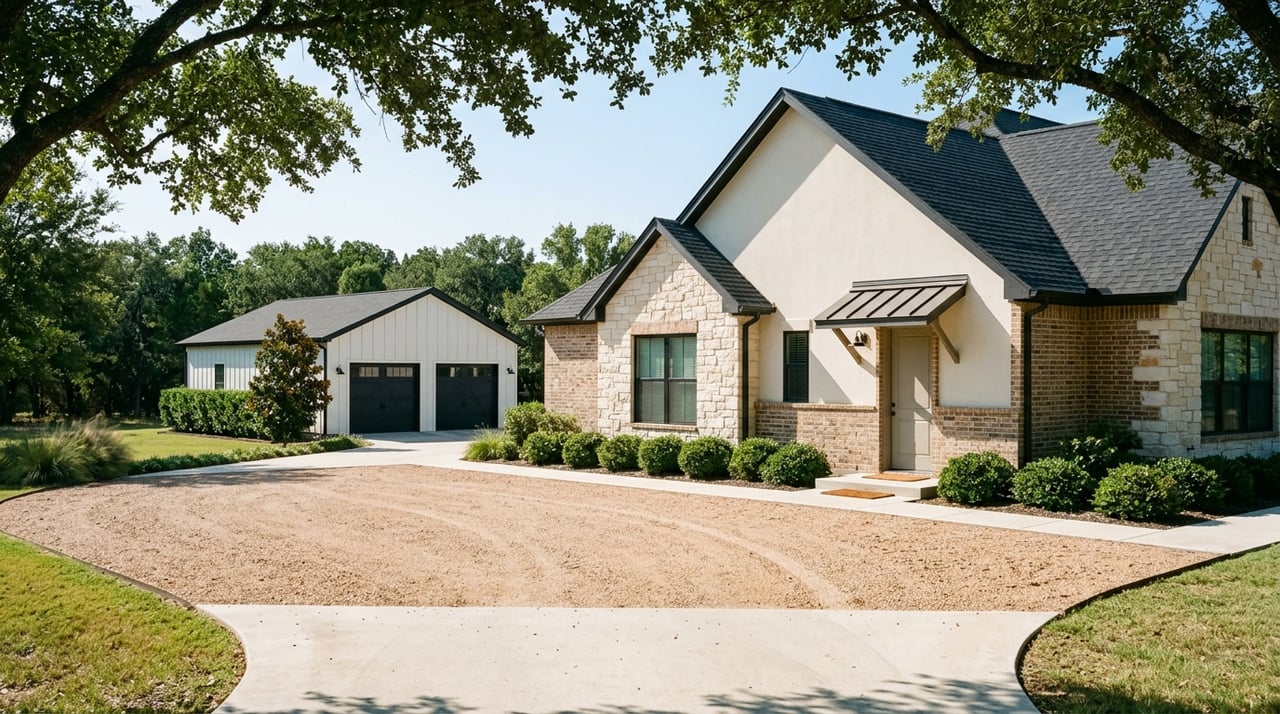
Housing stock is one of the clearest differences between these two suburbs. Pearland’s comprehensive planning documents describe a market that is mostly single-family detached, with much of the housing built since 2000 and many large subdivisions and master-planned communities shaping the local landscape.
The city points to communities such as Shadow Creek Ranch, Southdown, Southern Trails, Sunrise Lakes, and Lakes of Highland Glen. Pearland also notes relatively fewer middle-market choices like duplexes, bungalows, garden homes, or townhomes in its comprehensive plan.
Recent development patterns reinforce that trend. According to Pearland Economic Development residential information, the city has added more than 10,000 single-family homes and 3,000 multifamily units over the past decade, with areas like Shadow Creek Ranch, Silverlake, Old Townsite, Ivy at Lower Kirby, and Pearland Town Center showing a mix of newer product types.
Sugar Land presents a more layered housing story. The city describes master-planned communities and established neighborhood areas as part of its identity, while also noting older housing stock in places like The Hill, which began as company housing in the early 1900s, based on the city’s overview of Sugar Land.
Sugar Land is also adding new mixed-use and higher-density housing through redevelopment. The Lake Pointe Redevelopment District is planned as a walkable residential district with townhomes, cottages, and multifamily units, and the district requires at least three housing types.
If you want a suburb that leans more heavily toward newer detached subdivisions, Pearland may feel like the stronger match. If you like a more established environment with older neighborhoods, single-family reinvestment, and some infill development, Sugar Land may offer more variety.
Amenities and Everyday Lifestyle
Amenities shape how a suburb feels once you actually live there. Pearland’s main retail and recreation anchors include Pearland Town Center, a 718,000-square-foot open-air lifestyle center at Broadway and SH 288, along with nearby retail nodes in Silverlake Village and Shadow Creek Ranch.
Pearland also highlights public recreation options including parks, trails, dog parks, fitness facilities, and a Recreation Center and Natatorium. If your ideal suburb includes newer shopping areas and easy access to everyday errands along major corridors, Pearland offers a solid lineup.
Sugar Land’s signature amenity cluster is centered on Sugar Land Town Square and First Colony Mall. The city describes Town Square as a 32-acre mixed-use center with office space, residential condos, retail, restaurants, and a hotel, and the plaza has been recognized by the American Planning Association as a Great Public Space.
For many buyers, that gives Sugar Land a more built-out town-center feel. If walkable mixed-use amenities are high on your list, Sugar Land tends to stand out more clearly.
Price Positioning
Budget is often where the comparison gets real. Current market sources in the research report show Sugar Land generally pricing above Pearland.
According to Redfin’s Pearland housing market page, the median sale price is around $381,000 in Pearland and about $418,000 in Sugar Land. Listing medians from Realtor.com in the research report also point higher in Sugar Land, at about $497,900 compared with roughly $397,600 in Pearland.
These figures measure different things, with one based on sold prices and the other on listings, so they should be viewed as directional rather than identical. Still, both sets of data suggest Sugar Land typically sits at a higher price point.
Which Suburb Fits Your Goals?
The best suburb for you depends on how you balance commute, housing style, amenities, and budget. Neither city is universally better. The right answer is the one that supports your day-to-day life and long-term plans.
Pearland may be a better fit if you are looking for:
- A location aligned with SH 288, downtown Houston, the Texas Medical Center, or Hobby Airport
- A larger share of newer detached subdivisions and master-planned communities
- A generally lower entry point compared with Sugar Land
- Growth-oriented housing corridors with recent residential development
Sugar Land may be a better fit if you are looking for:
- A more established suburban setting with a layered housing mix
- Stronger town-center amenities anchored by Town Square and First Colony Mall
- A broader blend of legacy neighborhoods and redevelopment-driven options
- Commute alignment with I-69, SH 6, and Fort Bend County destinations
Final Thoughts on Pearland or Sugar Land
If you are deciding between Pearland and Sugar Land, the smartest move is to compare them through the lens of your real routine. Think about where you work, what kind of home style you prefer, how much you want to spend, and whether you want a newer growth corridor or a more established suburban center.
A local guide can help you narrow the options faster and with fewer surprises. If you want help comparing neighborhoods, commute patterns, or available homes in southwest Greater Houston, connect with the Jennifer Ciulla Group for informed, personalized guidance.
FAQs
Which suburb is closer to the Texas Medical Center, Pearland or Sugar Land?
- Pearland is generally better positioned for access to the Texas Medical Center and downtown Houston because it sits south of downtown with SH 288 as its main north-south route.
Which suburb has more walkable town-center amenities, Pearland or Sugar Land?
- Sugar Land has the stronger town-center environment because Sugar Land Town Square is a built mixed-use district with retail, restaurants, offices, and residential components.
Which suburb has more new-build detached homes, Pearland or Sugar Land?
- Pearland generally has a larger share of newer detached housing based on its comprehensive plan and recent residential development activity.
Which suburb is usually more expensive, Pearland or Sugar Land?
- Sugar Land generally trends higher in both median sale price and median listing price based on the market sources in the research report.
Which suburb offers more housing variety, Pearland or Sugar Land?
- Sugar Land tends to offer a more layered mix of housing, including established neighborhoods, single-family areas, and redevelopment projects with townhomes, cottages, and multifamily options.