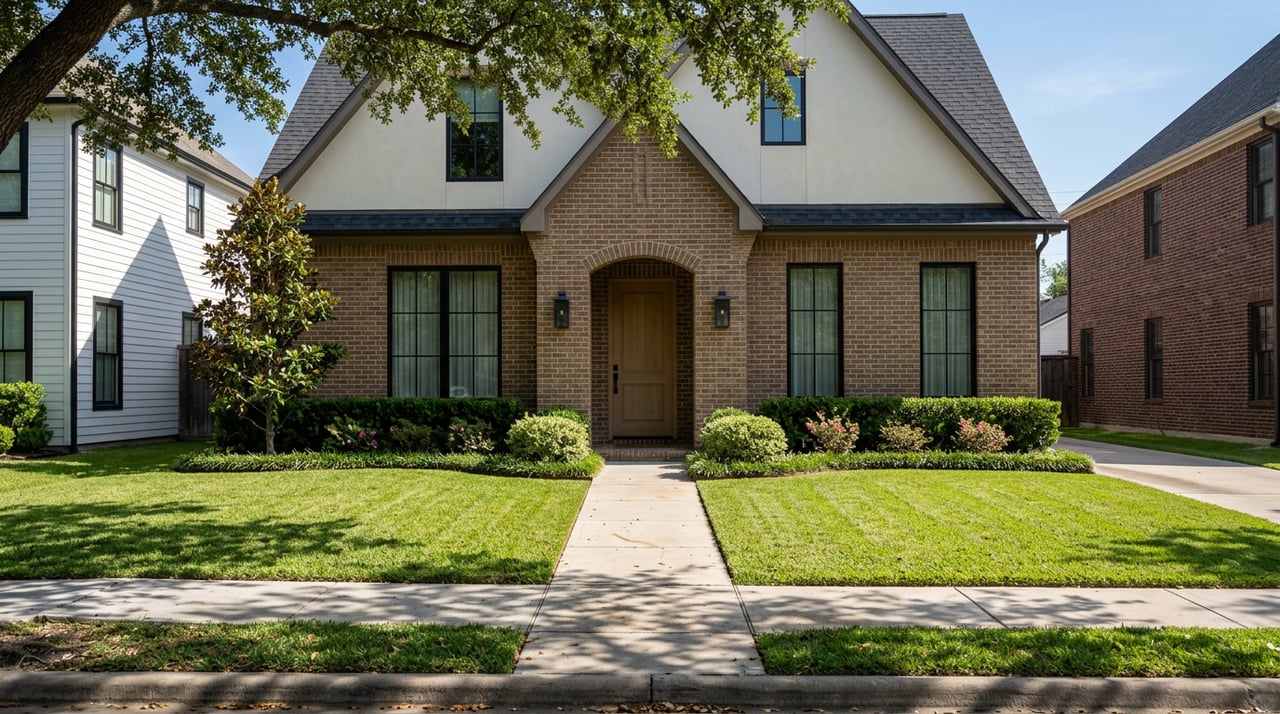
Love the tree-lined streets near Rice but wonder what each home style means for daily living? If you are exploring West University and Southside Place, the architecture tells you a lot from the sidewalk. In this guide, you will learn how to spot each style, what typical floor plans feel like, and where to walk if you want to see a certain look. Let’s dive in.
West U/Southside at a glance
Two small, adjacent cities make up the core of this area: West University Place and Southside Place. Both sit inside the 610 Loop and border Rice University and the Texas Medical Center. A compact lot pattern, often around 5,000 square feet, set the stage for the mix of cottages and tall infill homes you see today. You can read more about the area’s history on the City’s site and local overviews of West University Place’s layout and lot sizes here and here.
Walkability stands out. West U invests in sidewalks and keeps an active Sidewalk Replacement and Repair program. If you value a porch-to-sidewalk feel under mature oaks, you will notice those municipal efforts across many blocks. See the city’s current program details here.
How the mix evolved
The first wave of homes arrived in the 1910s through the 1930s with bungalows and period‑revival cottages. After WWII, modest post‑war cottages and minimal‑traditional or ranch homes filled in more blocks. Starting in the early 1990s, strong demand and local rule changes accelerated teardowns and larger custom builds, a pattern that continues today. You can trace that timeline in local histories and summaries of neighborhood growth here and here.
Spot the styles from the sidewalk
Bungalows and Craftsman cottages
- Street cues: 1 or 1½ stories, broad porches, low‑pitched gabled or hipped roofs with overhanging eaves, and details like tapered columns and visible rafters. These details create warm, porch-first curb appeal. Typical Craftsman traits are outlined in common architectural guides such as this reference.
- What the plan feels like: efficient layouts, often a living room, a dining room, a modest kitchen, and 2–3 bedrooms. Some have a finished attic or bonus room. Many original bungalows range roughly 1,000 to 1,800 square feet.
Traditional brick cottages and modest colonials
- Street cues: brick façades, simple gables or hips, and tidy symmetry with a centered entry or small portico. From the sidewalk, these read as classic and low-maintenance.
- What the plan feels like: more formal room separation than a bungalow. Expect an entry hall, a formal living and dining room, and bedrooms upstairs in two‑story versions. Many are candidates for sensitive additions.
Tudor and period‑revival cottages
- Where to look: Southside Place’s early blocks contain many 1920s–1930s examples and a mix of preserved homes and replacements. See a short local history of Southside Place here.
- Street cues: steep cross gables, asymmetry, arched doors or windows, and tall chimneys. Tudor and revival features are described in general guides like this one.
- What the plan feels like: cozy nooks and fireplaces, with original compartmentalized rooms that are often opened up in renovations.
Mid‑century, minimal‑traditional, and ranch
- Street cues: single‑story profiles, shallow roof pitches, clean eaves, and carports or side‑entry garages. These were practical family homes of the post‑war era.
- What the plan feels like: single‑level living that is easy to navigate. Many have been expanded or replaced as needs changed over time.
New construction and custom infill
- Why they are common: compact lots plus high demand for location and modern space drove a multi‑decade wave of teardowns and larger custom builds. That pattern is widely noted in overviews of West U’s recent development here.
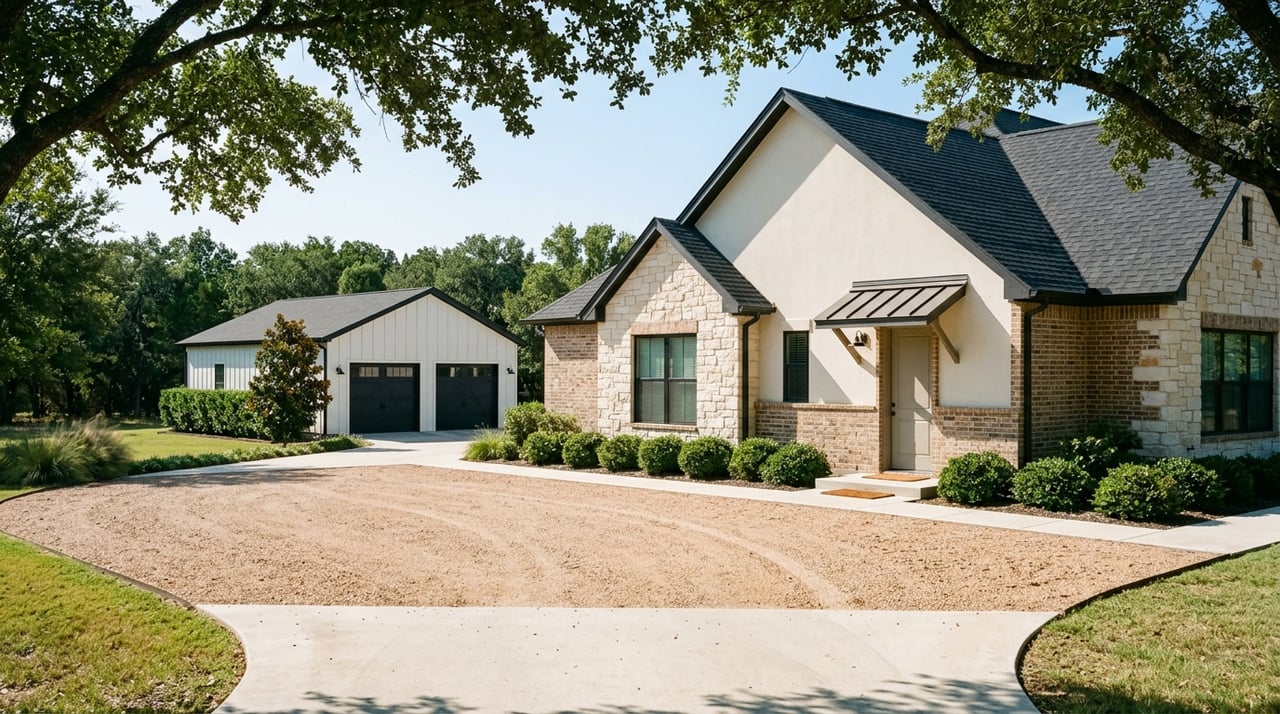
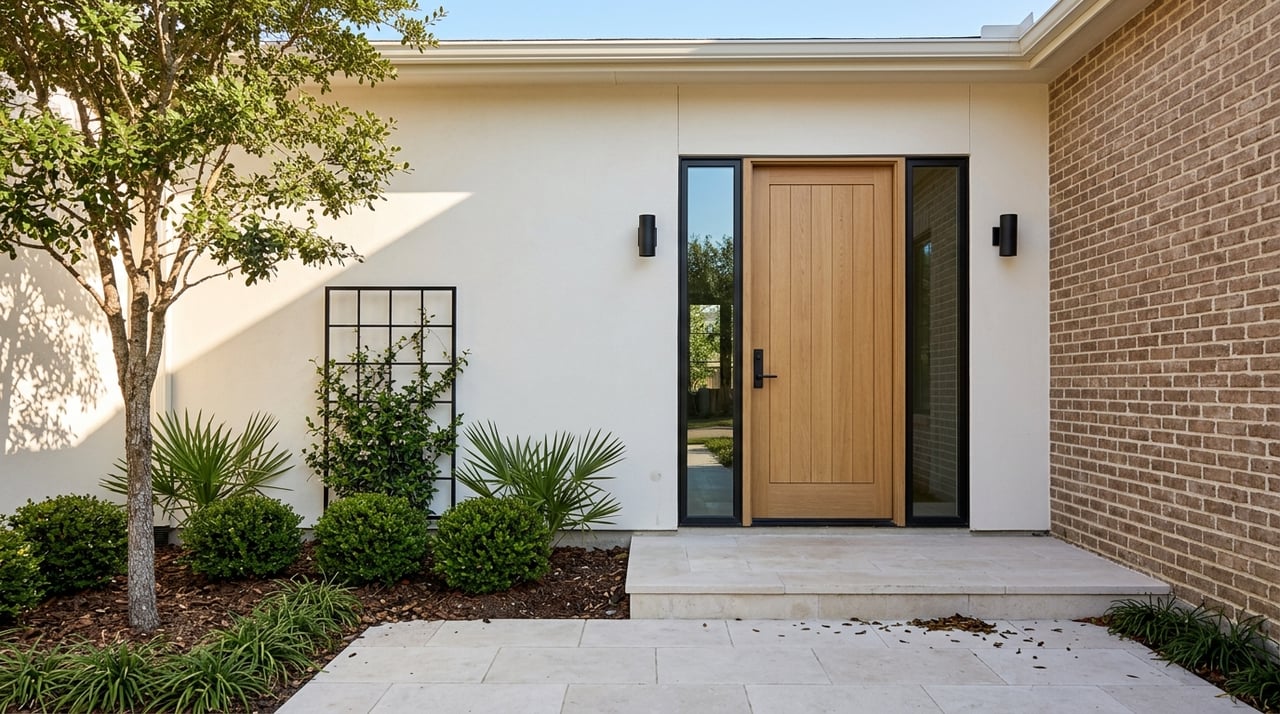
- Street cues: taller two‑ or three‑story massing, larger rooflines, mixed materials such as brick and stucco with metal accents, and street‑facing multi‑car garages. Minimal front setbacks make these homes feel close to the sidewalk.
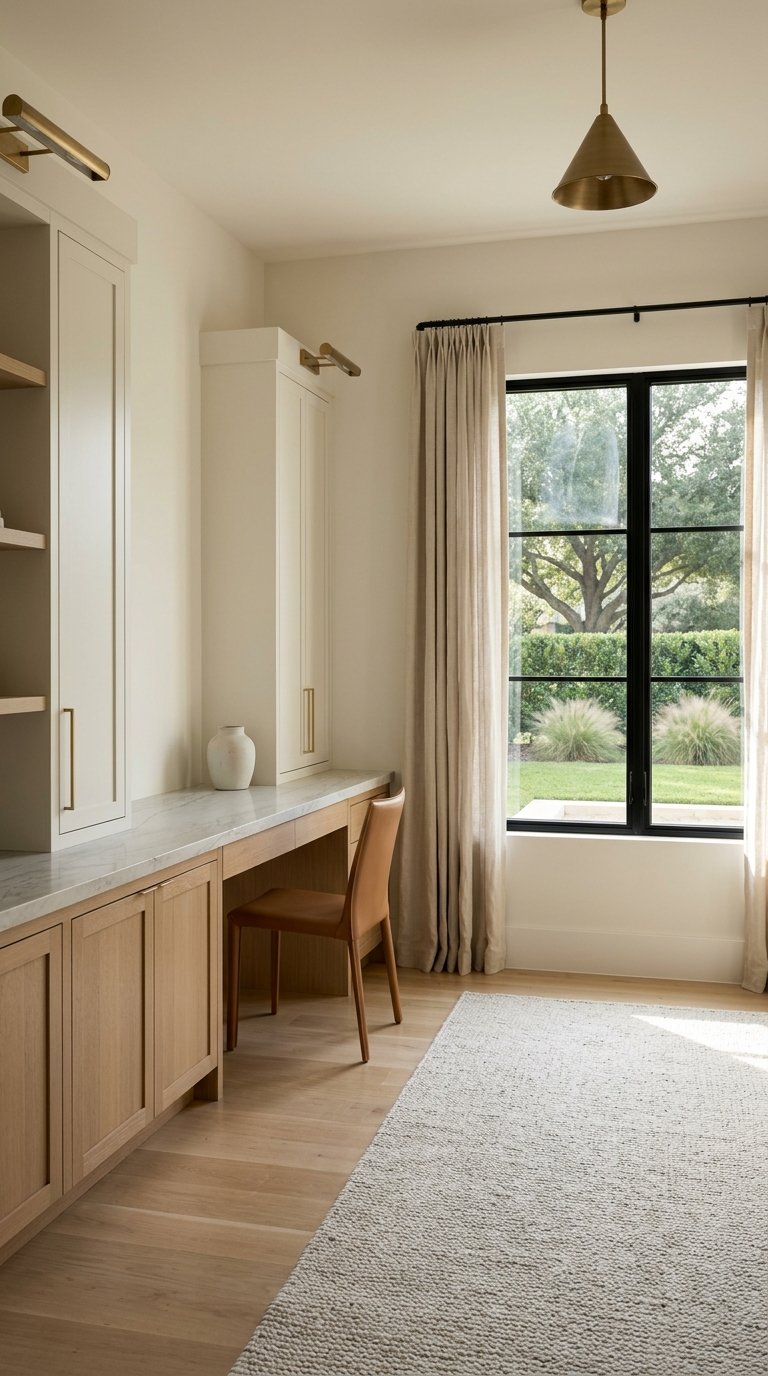
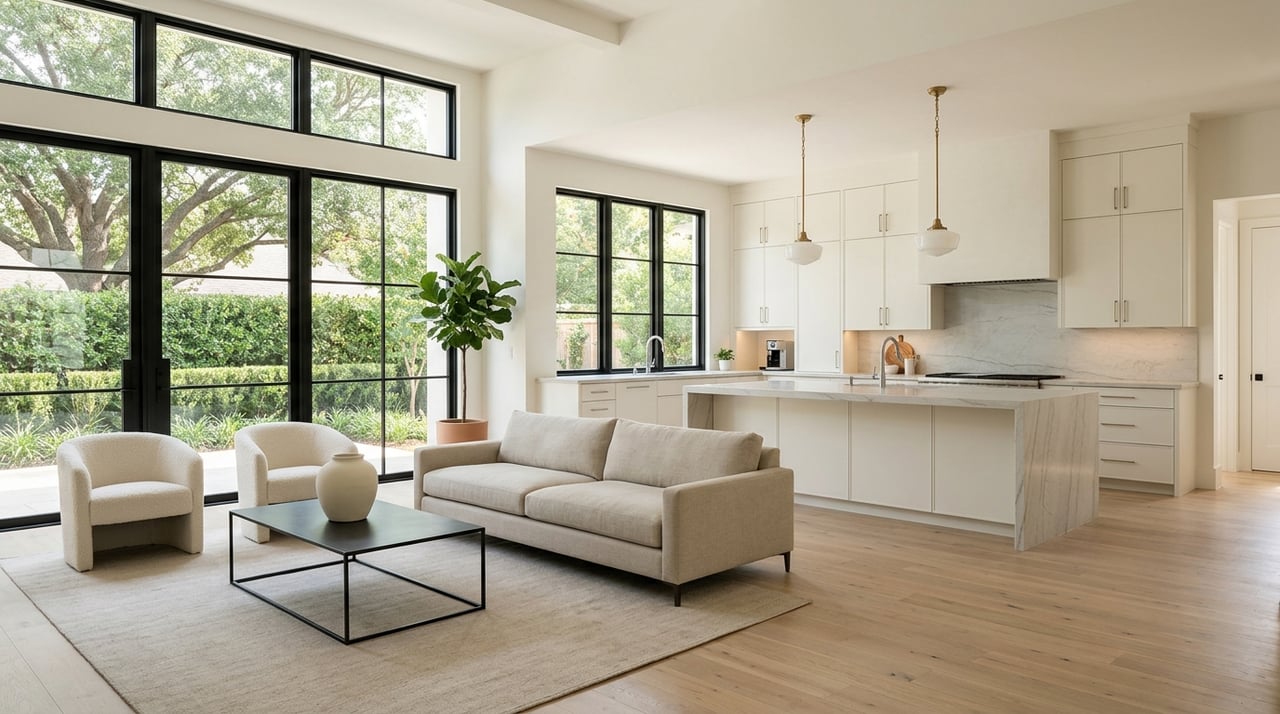
- What the plan feels like: open kitchen and family room at the core, multiple en‑suite bedrooms, home offices or studies, and outdoor living. Many recent builds start near 3,000 square feet, with custom homes often reaching 5,000 to 6,000 square feet on larger lots.
What to notice on a walk
- Lot size and setback: a narrow lot with a deep, tall house often signals newer infill. Wider lots with smaller footprints may indicate an intact original home. Lot size norms for West U appear in public sources like this.
- Porch or garage focus: a big front porch often means a bungalow or older cottage. A wide, street‑facing garage is a common new‑construction cue.
- Roofline shape: low and horizontal suggests a bungalow, steep cross gables suggest Tudor or another period revival, while tall, boxy forms suggest recent infill.
- Sidewalks and canopy: continuous sidewalks, mature live oaks, and cohesive front yards signal an intact streetscape. West U’s sidewalk program underscores that commitment to walkability here.
- Flood and drainage: risk varies street by street. Check FEMA and local resources, and ask about elevation certificates and past water events. West U’s flood hazard page is a helpful start here.
Where to walk for each look
- For bungalows and cottages: Explore Monticello and older plats such as Rice Court and Pemberton, where pockets of original homes remain. Local overviews note these areas retain early character in many blocks. See a general context summary here.
- For Tudor and period revivals: Take a short stroll through Southside Place’s compact grid to see many 1920s–1930s examples. Read a brief city history here.
- For larger custom homes: Look along Sunset Terrace and Montclair edges and near busier cross streets around Rice Village and the Medical Center, where larger footprints and recent builds are common.
Buying smart with style in mind
- Define your priorities: if porch life and human scale top your list, focus on intact bungalow blocks. If you want an open plan, multiple suites, and a large kitchen or family hub, lean toward recent custom builds.
- Plan your renovation lens: traditional brick cottages and period homes often support tasteful additions or interior rework. Confirm what is possible with local building rules.
- Think about parking and storage: older homes may have rear or detached garages, which preserve curb appeal. New builds often have wider street‑facing garages that add daily convenience.
- Check the infrastructure: sidewalk quality and tree canopy affect daily walks and overall curb appeal. The city’s repair programs and mature shading are part of the area’s charm.
- Verify flood context early: use local resources to understand drainage and elevation. Start with West U’s flood hazard information here.
Ready to match a home style to the way you live? Reach out to the Jennifer Ciulla Group for a guided search, private tours, and valuation‑first advice tailored to your goals.
FAQs
What defines a West University bungalow?
- Look for 1 or 1½ stories, a broad front porch, low‑pitched roofs with overhanging eaves, and warm natural materials. Inside, expect efficient layouts with 2–3 bedrooms.
How can I tell new construction from a renovated older home?
- Taller massing, mixed modern materials, and a prominent multi‑car garage usually signal a newer build. A lower profile and porch‑forward façade often point to older stock.
Are sidewalks and walkability a priority in West University?
- Yes. West U maintains a Sidewalk Replacement and Repair program and invests in pedestrian infrastructure, which many buyers notice on walks.
Where can I see Tudor Revival homes near West U?
- Southside Place’s compact grid includes many 1920s–1930s period‑revival examples with steep gables, arched doors, and tall chimneys.
How big are lots and homes in this area?
- Many West U lots are around 5,000 square feet. Original cottages and bungalows tend to be smaller, while recent custom builds often start near 3,000 square feet and can exceed 5,000 square feet.