Thinking about listing your Memorial home but not sure what professional staging actually includes? You are not alone. In a market where buyers expect quality finishes, indoor to outdoor flow, and polished presentation, staging can be the difference between a quick scroll-by and a showing request. In this guide, you will see exactly what is included in professional staging for Memorial properties, how service tiers work, and what to expect from timeline to deliverables. Let’s dive in.
Why staging matters in Memorial
Memorial buyers often look for comfortable, high-quality living with outdoor spaces that work in Houston’s warm, humid climate. Staging helps you present that lifestyle clearly. It makes rooms feel purposeful, improves the sense of scale, and highlights features like covered patios, pools, and mature landscaping.
Online presentation is your first showing. Staging supports better composition, lighting, and hero images so your photos, videos, and 3D tours stand out. That can lead to more clicks, saves, and showing requests.
Staging also helps buyers picture daily life. When they can visualize entertaining, working from home, or relaxing in a primary suite, it increases emotional connection. That perception boost can improve time on market and the strength of offers, especially in higher price segments.
Room-by-room staging in Memorial
Entry and front porch
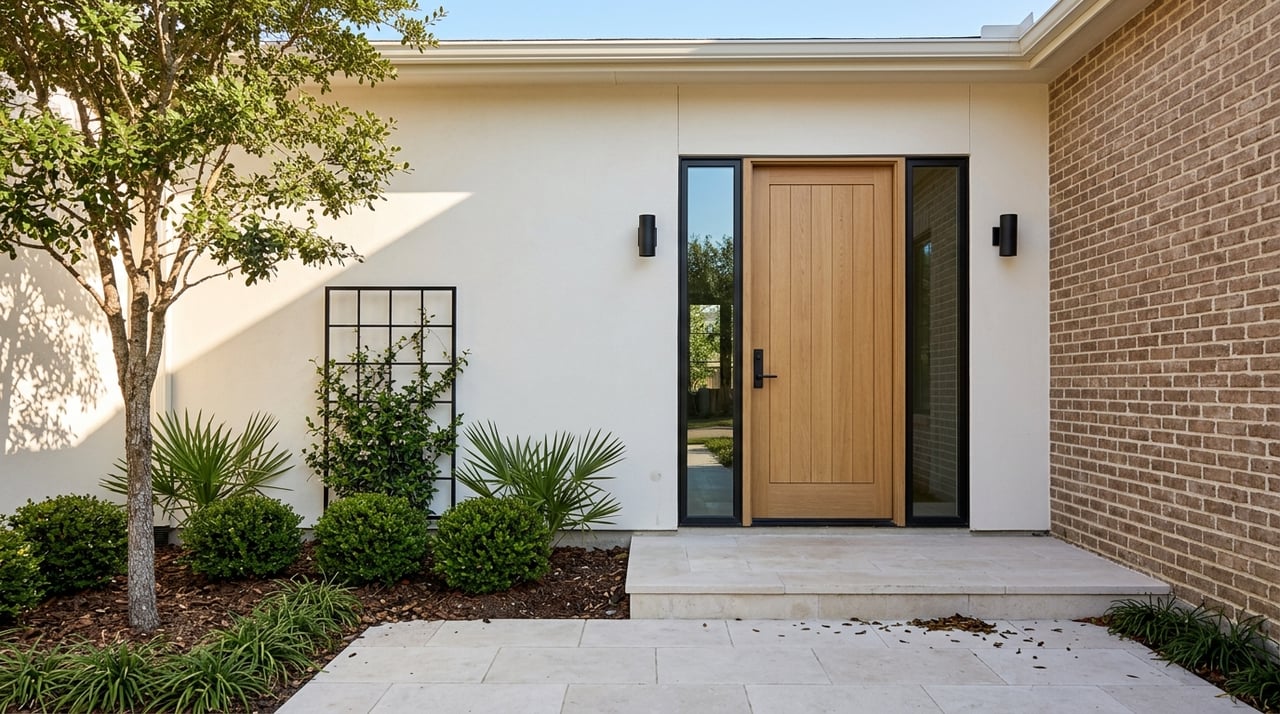
Your entry sets the tone. A tidy porch with seasonal planters, a clean welcome mat, and warm lighting feels intentional. Inside, a slim console, art at eye level, and clutter-free floors create a smooth first impression that flows into formal or family spaces.
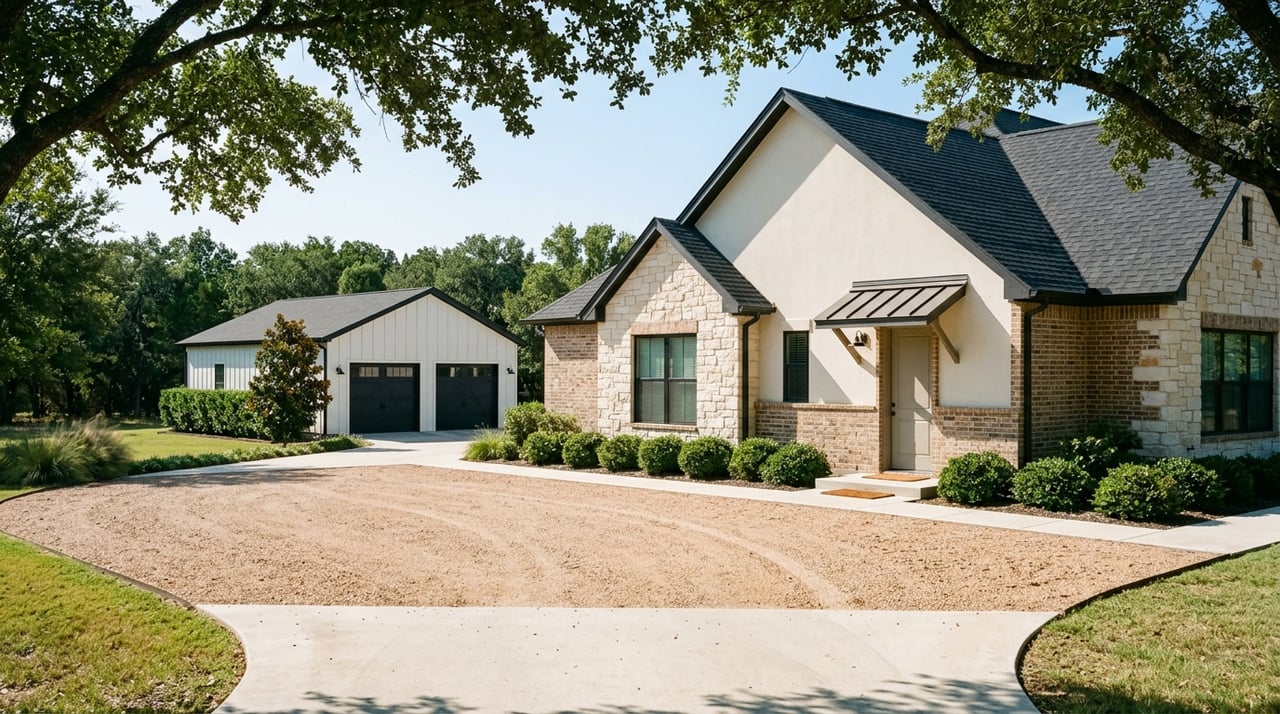
For larger porches, a small outdoor seating vignette signals usable square footage. At dusk, porch lighting can be staged for photography to create a warm, inviting glow.
Formal living and sitting rooms
These rooms should read as elegant and functional. Furniture is scaled to the space, a rug defines seating, and sightlines to the fireplace or picture windows are kept open. Keep surfaces spare with a few curated accessories and neutral textiles.
The goal is to show where conversation happens without blocking walkways or competing with architectural elements.
Family room and great room
This is everyday living. Seating should be arranged toward a focal point like a fireplace or media wall. Neutral cushions and throws soften the space without visual noise.
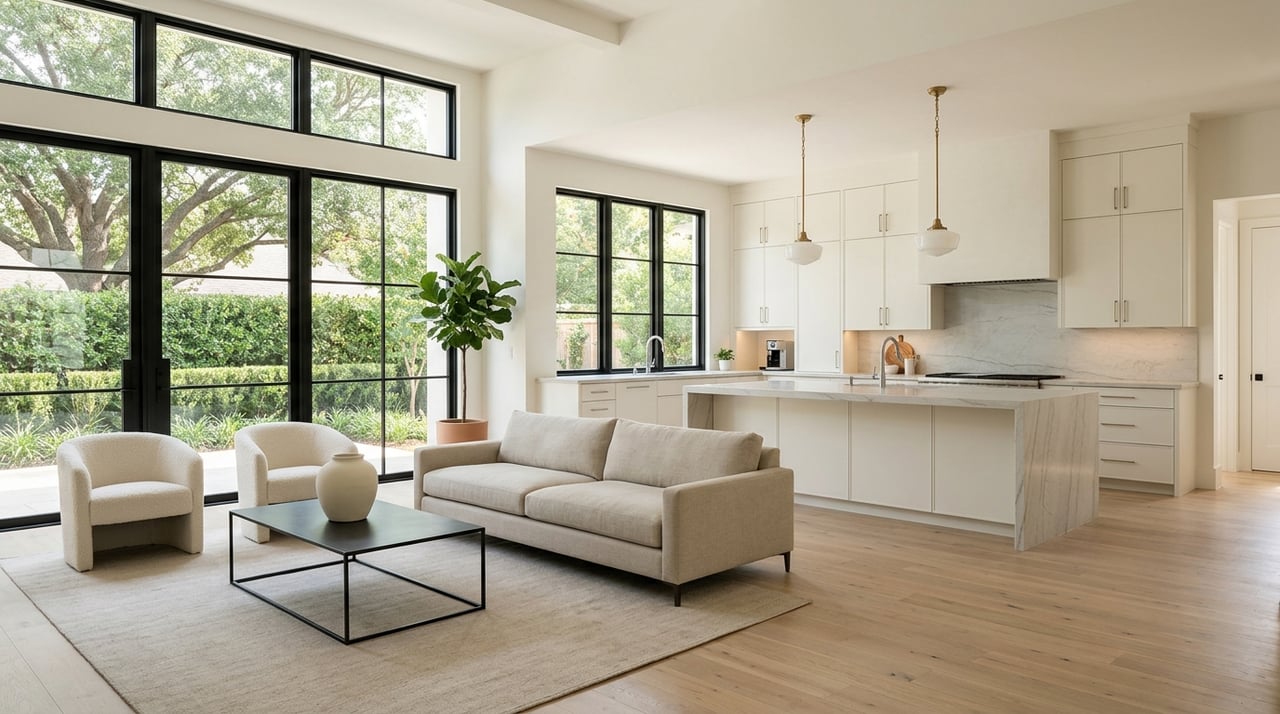
If you have doors to a patio or pool, stage both sides and open the sightline to emphasize indoor to outdoor flow. Keep surfaces clear and tech cords hidden.
Kitchen and breakfast area
Countertops should be nearly bare to showcase workspace and storage. A bowl of fruit, a vase, or a cookbook is enough. Barstools or a styled breakfast nook can show how the space serves family life.
If cabinets or counters are dated and a remodel is not planned, focus on spotless cleanliness, updated lighting, simple hardware changes, and fresh, neutral linens.
Dining room
Buyers want to see entertaining potential. A simple, scaled tablescape can make the room feel generous without being fussy. Mirrors or art can add depth and reflect light.
Remove extra chairs if the room looks tight. The table should anchor the space without crowding it.
Primary bedroom and suite
Think calm and elevated. Use neutral luxury bedding, matching lamps, and minimal nightstand styling. If space allows, add a small seating nook to suggest a retreat.
Window treatments and layered lighting help convey privacy and comfort. Avoid personal photos or overtly specific decor to keep the appeal broad.
Secondary bedrooms
Show clear purpose but keep it universal. A neutral guest room or a simple child’s room works well. Use smaller-scale furnishings so the room reads spacious.
Limit themed decor and keep closets tidy to showcase storage capacity.
Home office or study
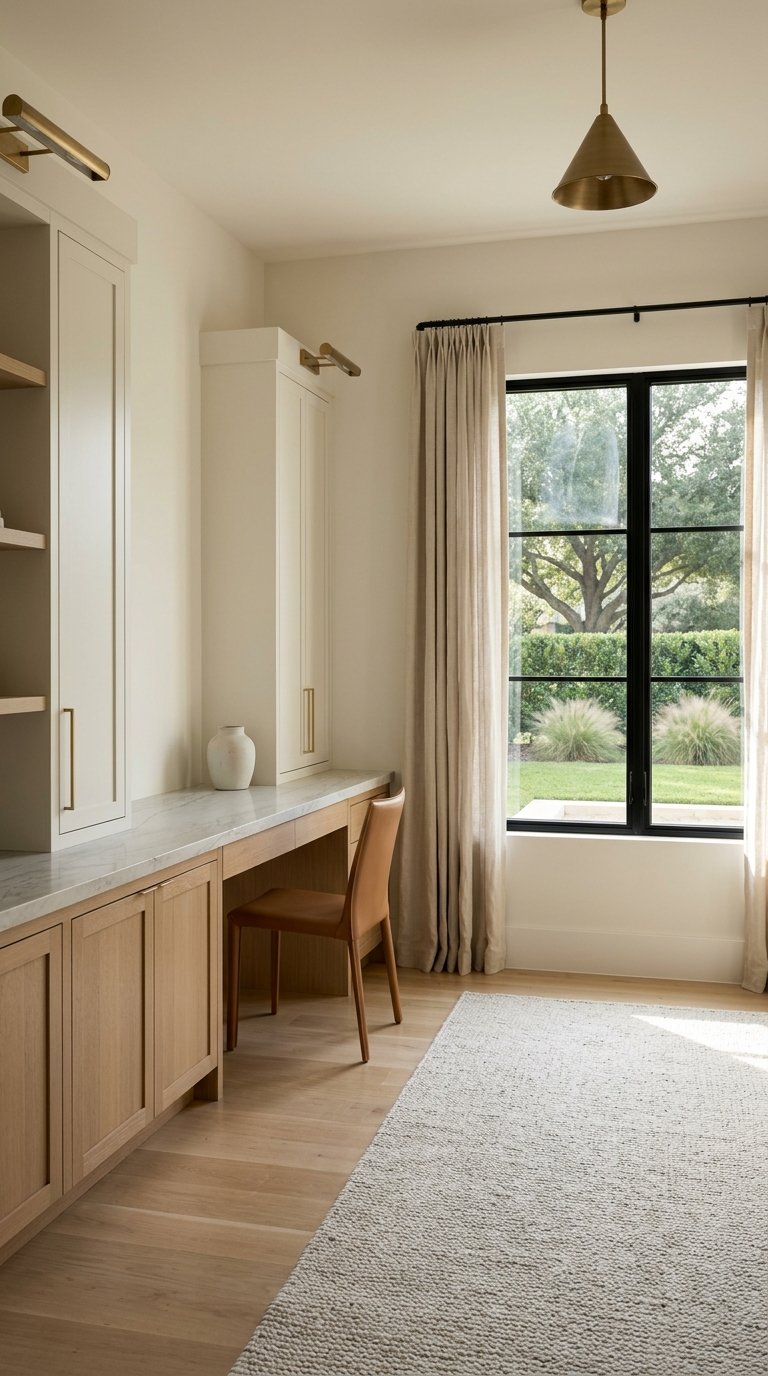
A focused, organized workspace is a draw. Stage a desk, a comfortable chair, books, and warm task lighting. Hide cords and keep surfaces minimal.
A well-staged office can tip the balance for buyers who work remotely or need a study area.
Bathrooms
Cleanliness is the message. Use white or neutral towels, a small plant, and polished fixtures. Remove personal items from counters and showers.
For a primary bath, a vanity stool or small bench can add a spa-like touch.
Laundry, mudroom, and garage
These spaces should convey order. Clear floors, add labeled baskets, and stage hooks or cubbies with restraint. In the garage, show that vehicles fit and demonstrate a simple storage zone.
A clean, zoned garage can signal overall home care and useful utility space.
Outdoor living, pool, and landscaping
Memorial homes often shine outside. Stage covered patios with weather-friendly cushions, dining setups, and a few potted plants. Keep pool water pristine and consider simple poolside loungers.
Show scale in large yards with a defined dining or firepit zone. During storm season, choose anchored pieces and durable decor so the setup stays photo-ready.
Service tiers and what you get
Professional staging usually offers flexible tiers so you can match scope to your goals and budget. Here is what those commonly include:
- Tier 1: Consultation and pre-listing assessment. Expect a 60 to 90 minute walkthrough, a room-by-room plan, a prioritized fix and clean list, and a photography shot list.
- Tier 2: Stylistic refresh for occupied homes. Your own furnishings are styled with targeted rentals for key areas. Surfaces are staged and the home is camera-ready in a single day.
- Tier 3: Partial staging for key rooms. Rental furniture and decor focus on the spaces that move buyers most, like entry, living, kitchen, primary suite, and outdoor areas.
- Tier 4: Full staging for vacant homes. All rooms are furnished and styled, including outdoor zones. Delivery, installation, and removal are included, with monthly rental and setup terms.
- Tier 5: Luxury or designer staging. High-end furniture, custom art, fine rugs, lighting enhancements, and concierge styling are paired with upgraded photo and video production.
Other helpful options
- Virtual staging can boost online presence for vacant rooms at a lower cost. It should be clearly labeled and is best used as a supplement rather than a substitute for physical staging in premium listings.
- Photography-day styling ensures the home is optimized right as the photographer arrives.
- Maintenance refreshes keep the property photo-perfect if it stays on the market longer than expected.
Timeline and logistics
Here is a typical flow so you can plan with confidence:
- Consultation to installation: often 3 to 10 days, depending on inventory and schedule.
- Installation day: 1 to 3 days for full staging, based on home size and scope.
- Photos and media: scheduled within 24 to 72 hours after staging completion.
- Removal: within a few days after closing or as negotiated, with standard removal terms.
Coordination with a local photographer who understands Memorial aesthetics, including dusk exteriors and drone for larger lots, can elevate results further.
Before-and-after ideas to show impact
- Entry: before clutter and packages, after a clear path with planters and a console topped with art.
- Living room: before mismatched, dark furniture, after a cohesive seating group, rug, and layered lighting.
- Kitchen: before crowded counters, after two styled items and clean surfaces with barstools.
- Primary suite: before dated bedding, after neutral luxury linens, lamps, and a small seating nook.
- Outdoor patio and pool: before stacked chairs and leaves, after a defined dining zone, loungers, and soft lighting.
- Garage: before boxes everywhere, after clean floors, visible two-car parking, and a simple workbench area.
These visual shifts tell a story of space, comfort, and lifestyle that buyers can feel the moment they scroll the listing.
Staging deliverables checklist
Use this checklist to align your staging and marketing plan:
- Pre-staging walkthrough and written recommendations
- Decluttering and depersonalization guidance
- Minor repairs and touch-ups list for paint, hardware, and bulbs
- Inventory plan showing what is rented versus what you already own
- Installation date and coordination with photographer
- Professional interior photos, dusk exterior, and drone if the lot or roofline benefits
- Video walkthrough or 3D tour if appropriate
- Floor plan and labeled images for your online gallery
- Social-media-ready images and short-form content cues
- Key selling points summary for the listing description
- Staging removal plan and timing
- Insurance details for rented items
- Post-showing refresh plan to keep the home photo-ready
Common questions and concerns
- Staging cost concerns. Tiers let you right-size the scope, from a consult to key rooms or full luxury staging. The goal is high-performing visuals that drive more showings.
- Will staging hide problems. Staging highlights lifestyle and potential. It does not replace disclosures or needed repairs and should never cover structural or safety issues.
- Virtual staging for premium homes. Virtual images can add value online, but physical staging typically delivers a stronger in-person experience in high-end segments.
The takeaway for Memorial sellers
You are selling more than a house. You are marketing a lifestyle that Memorial buyers value, from gracious entertaining spaces to shaded outdoor living. Professional staging packages are designed to show that lifestyle clearly, support top-tier photography, and help your listing stand out from the first thumbnail to the final walkthrough.
If you are planning to list in Memorial and want a marketing-forward plan that coordinates staging, photography, and launch timing, the Jennifer Ciulla Group can help you prepare with confidence. Start by getting your numbers, then map the right staging tier for your goals. Connect with the Jennifer Ciulla Group to get your free home valuation and a tailored pre-listing plan.
FAQs
What does professional staging include for a Memorial home?
- A room-by-room plan, styled furniture and accessories, lighting and scale adjustments, surface styling, and outdoor vignettes that fit Memorial’s indoor to outdoor lifestyle.
How long does home staging take before photos in Memorial?
- From consult to install often takes 3 to 10 days, with full installs completed in 1 to 3 days and photography scheduled within 24 to 72 hours after staging.
Is virtual staging enough for a high-end Memorial listing?
- Virtual staging can boost online interest for vacant rooms, but physical staging usually delivers a stronger in-person impact in premium price bands.
Which rooms deliver the most value when staging in Memorial?
- Focus on the entry, main living areas, kitchen, primary suite, and outdoor living, since these spaces most influence buyer perception and listing photos.
What outdoor staging should Memorial sellers prioritize?
- Clean pool water, shaded seating, weather-friendly cushions, potted plants, and a defined dining or lounge zone that shows usable yard scale.
Does staging replace repairs or disclosures for Memorial homes?
- No. Staging showcases lifestyle and flow but does not replace needed repairs, safety fixes, or required property disclosures.