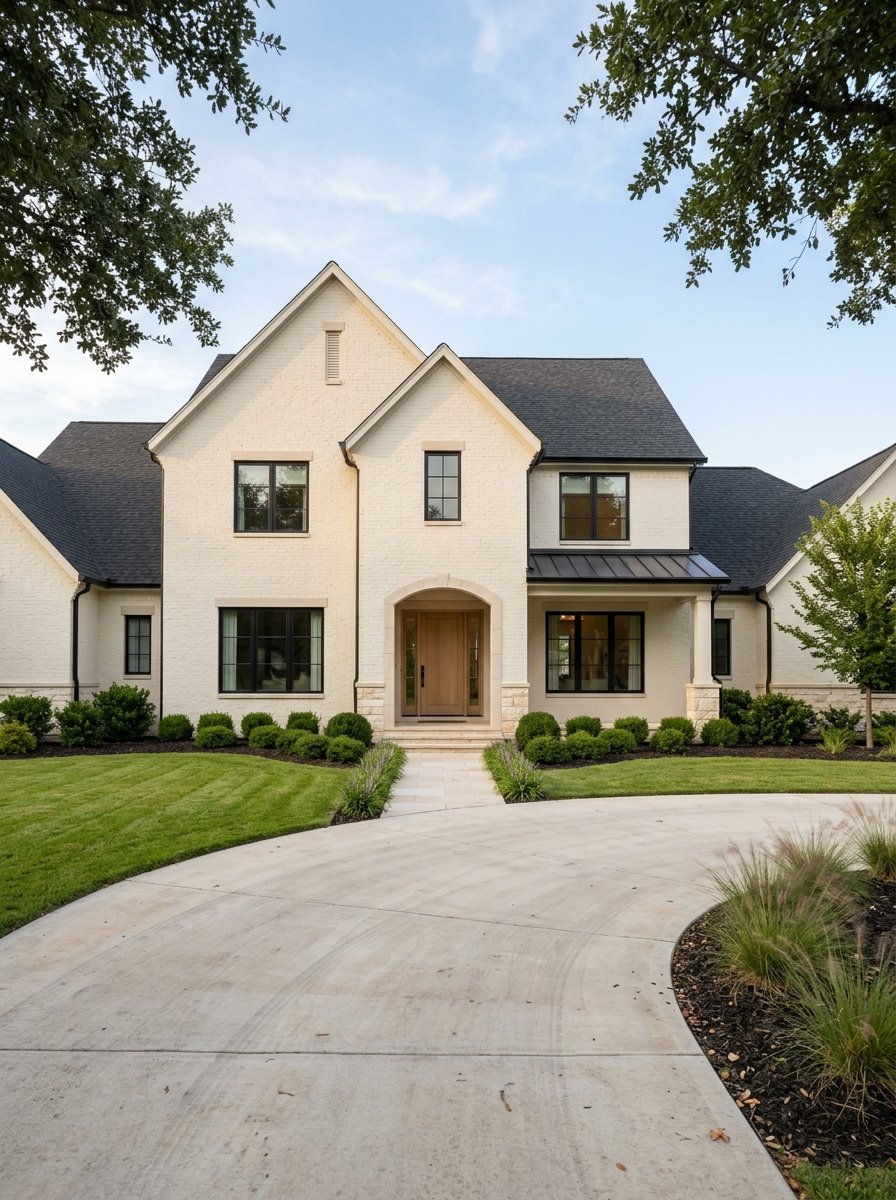
If you want top dollar for your Memorial home, listing it is only part of the job. In a high-value market, buyers often make fast judgments based on price, condition, and what they see online before they ever schedule a tour. The good news is that with the right prep, pricing, and marketing plan, you can reduce friction and put your home in a stronger position from day one. Let’s dive in.
Why Memorial sellers need a smart launch
Memorial is one of Houston’s best-known west-side areas, with a wooded setting, homes built across several decades, and a mix that ranges from modest residences to high-end estates. It also benefits from access to major employment, shopping, and activity hubs like the Energy Corridor, CityCentre, Town & Country, and Memorial City.
That backdrop creates opportunity, but it also raises the bar. Buyers in premium price points usually compare multiple homes carefully, which means your home needs to feel well-prepared, well-priced, and well-presented from the start.
Current market data supports that approach. In May 2026, HAR reported 3.7 months of inventory in Memorial Villages and 2.2 months of inventory in nearby Memorial West, both conditions that lean toward sellers. At the same time, listings were up year over year in Memorial Villages, which means presentation still matters because buyers have choices.
Price for credibility, not wishful thinking
A top-dollar sale usually starts with credible pricing. In a market where median sold prices can reach well above $1 million, overpricing can cost you the early momentum that matters most.
The first days on the market are especially important because many buyers begin their search online. Research shows that 52% of buyers found the home they purchased online, and nearly half started their search there. If your price and presentation do not line up right away, buyers may skip past your listing before they ever walk through the front door.
That is why pricing should be based on current market evidence, not just what you hope to net. In Memorial, where homes can vary widely by lot, age, updates, and style, small differences in condition and finish can shape buyer response quickly.
Focus on the rooms buyers judge first
You do not need to overhaul every inch of your home to improve results. The most effective pre-listing plan starts with the areas buyers pay attention to first.
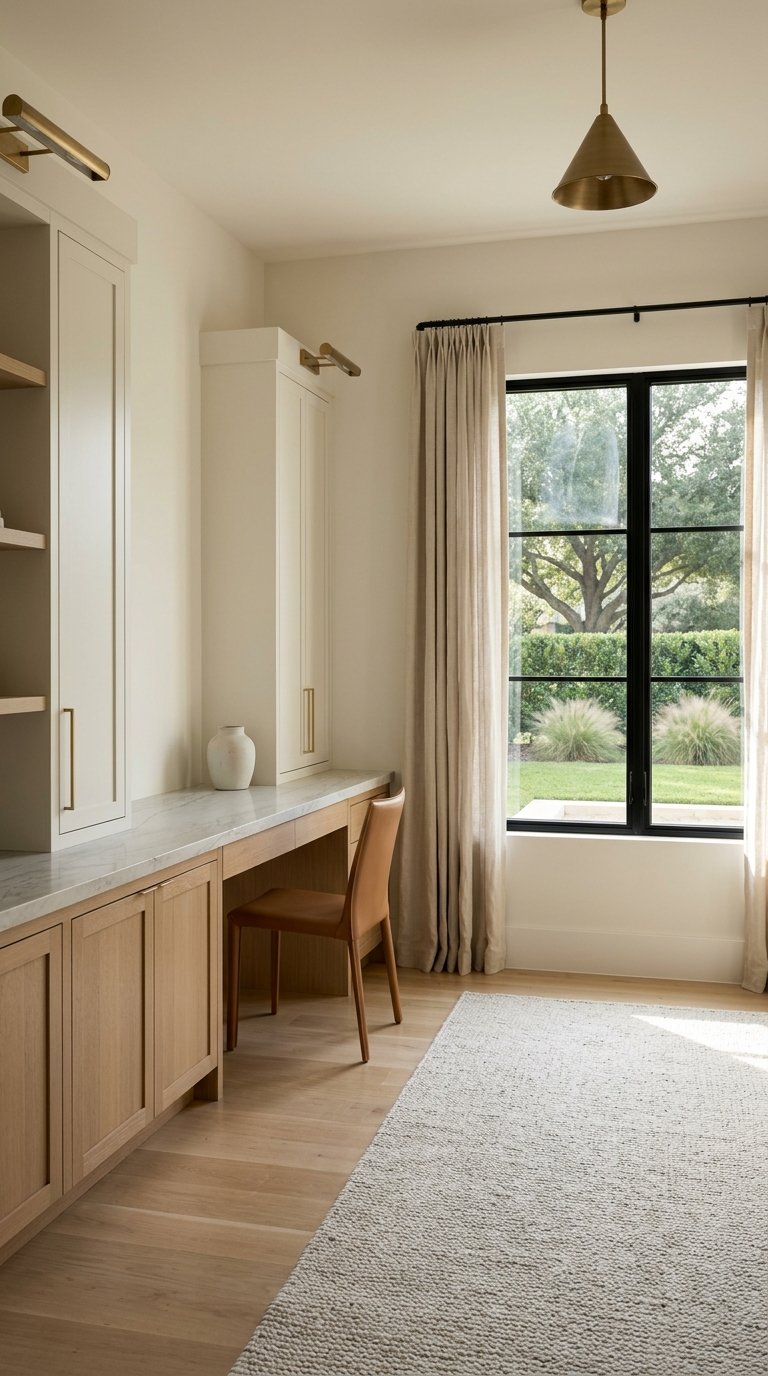
According to NAR’s 2025 staging report, the most important rooms to stage are the living room, primary bedroom, and kitchen. For many Memorial homes, it also makes sense to give extra attention to the dining area, bathrooms, and front-yard presentation.
Here is where to focus first:
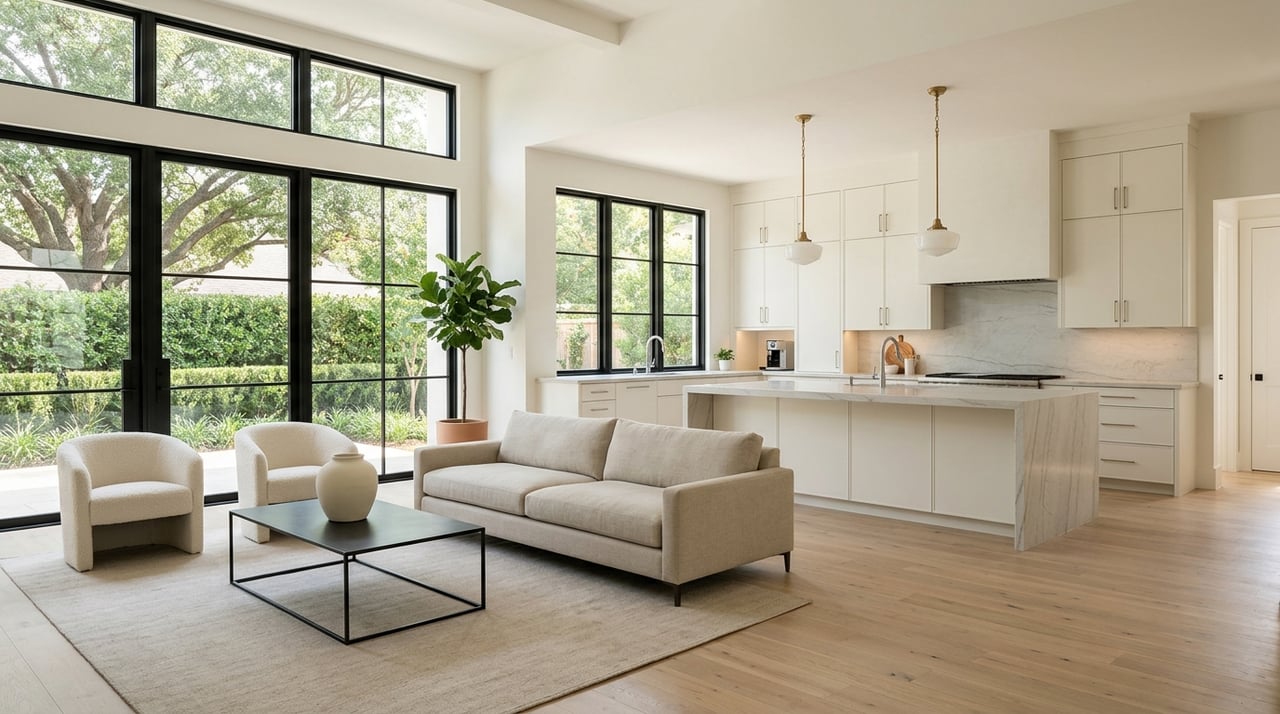
- Living room: simplify furniture placement, open sightlines, and improve lighting
- Kitchen: clear counters, reduce visual clutter, and address worn or dated details
- Primary bedroom: create a calm, spacious feel with clean linens and minimal decor
- Dining area: make the space feel usable and inviting, especially for entertaining
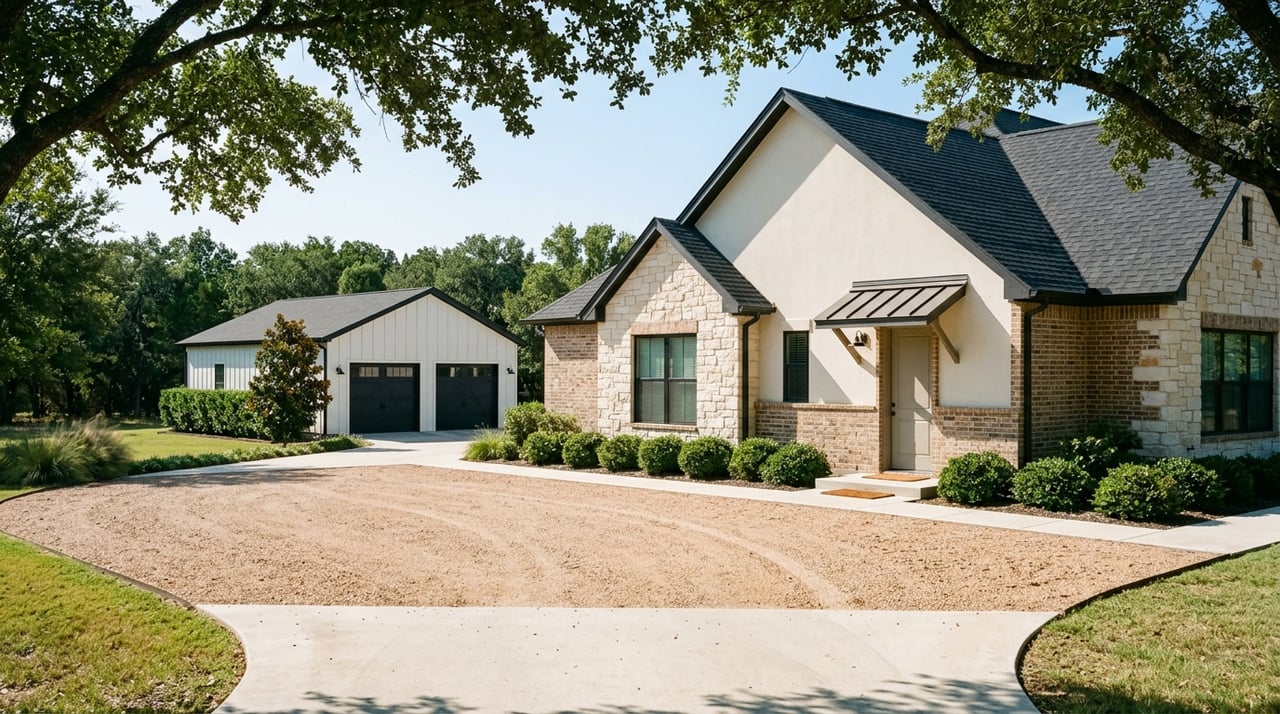
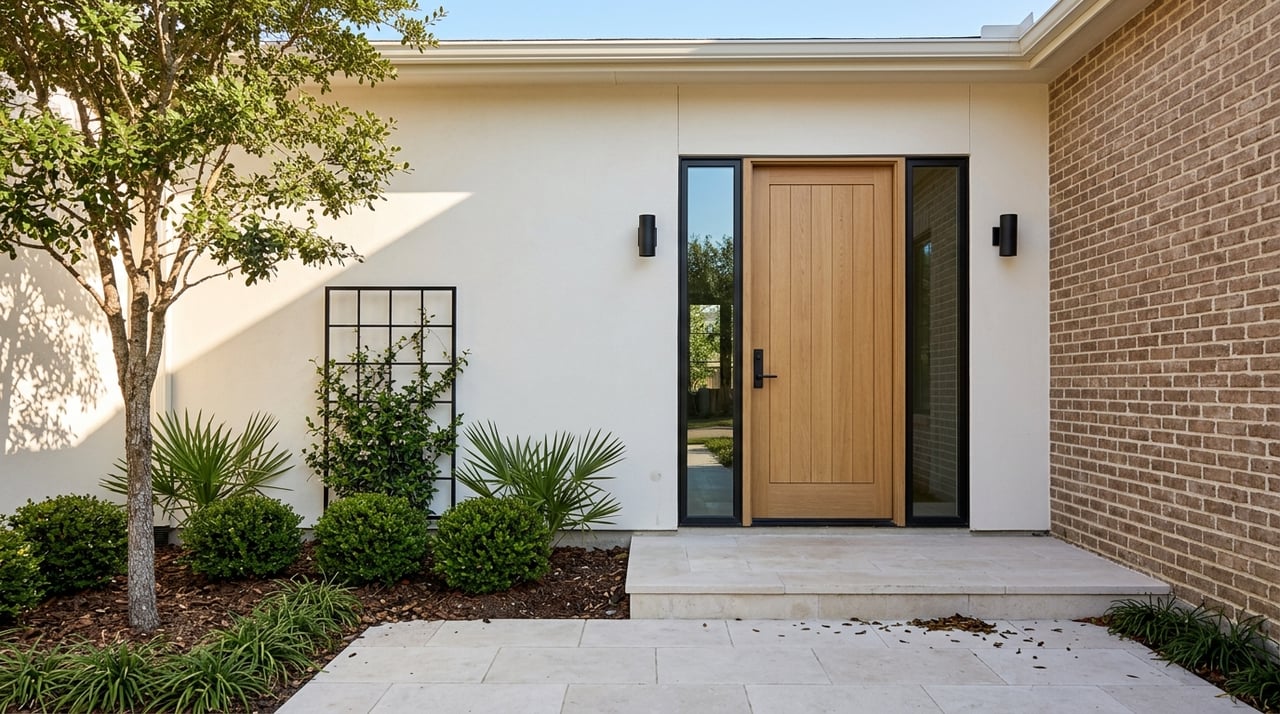
- Front exterior: refresh landscaping, tidy walkways, and make the entry feel maintained
In a presentation-sensitive market like Memorial, these spaces help buyers form their opinion quickly. When they feel clean, bright, and functional, your home tends to photograph better and show better.
Handle repairs before buyers see them
Visible maintenance issues can undercut value fast. Buyers often interpret small problems as signs of larger deferred maintenance, even when the fix is simple.
Before listing, it is smart to address the issues that can make a home feel neglected. NAR guidance specifically flags common showing turnoffs like lingering odors, cluttered storage, poor lighting, visible dirt, peeling paint, rotten wood, worn carpet, foggy windows, dirty air filters, leaky fixtures, and uneven DIY work.
A practical pre-list checklist may include:
- Touch-up paint where walls, trim, or doors show wear
- Replace burned-out bulbs and improve dim areas
- Deep clean kitchens, bathrooms, floors, and windows
- Repair leaky faucets or loose hardware
- Change HVAC filters
- Remove odors from pets, cooking, or moisture
- Clean and organize closets and storage areas
- Tidy exterior details like beds, edging, and entry surfaces
You do not need to make your home look brand new. You do want it to feel cared for, honest, and ready.
Staging matters, even on a modest budget
Some sellers hear the word staging and assume it means renting a truckload of furniture or spending far more than they want. In reality, staging often starts with cleaning, decluttering, repairing, depersonalizing, and updating so buyers can picture themselves in the space.
That effort can pay off. NAR found that 83% of buyers’ agents said staging made it easier for buyers to visualize a property as a future home. The same report showed a median spend of $1,500 for professional staging and $500 when the seller’s agent handled staging.
The takeaway is simple: staging does not need to be extravagant to be effective. Thoughtful edits, better flow, cleaner styling, and stronger visuals often do more for your sale than overdecorating ever could.
Build a listing package that sells online
Before buyers step inside, they are judging your home on a screen. That means your listing package is not just a formality. It is one of the most important parts of your sale strategy.
NAR’s 2024 buyer research found that photos were the most useful online feature for buyers, while detailed property information and floor plans also ranked highly. The 2025 staging report also showed that photos, videos, and virtual tours carry major value for both buyers and sellers.
For a Memorial home, a strong launch package should usually include:
- High-quality photography
- An accurate floor plan
- Video or virtual tour content
- Clear, factual listing copy
- A thoughtful lead photo and early image sequence
Those pieces work together. Strong visuals attract clicks, the floor plan helps buyers understand layout, and good copy answers key questions before a showing is booked.
Use polished marketing, not misleading marketing
In a premium market, trust matters. Buyers want polished presentation, but they also want confidence that what they see online matches the home in person.
Virtual staging can be useful for vacant rooms or spaces that are hard to furnish, but materially altered photos should be disclosed so buyers are not misled. The best approach is simple: make the home look its best while staying accurate.
That kind of honest marketing protects your momentum. It also helps attract buyers who are genuinely interested, which can lead to stronger showings and better offers.
Launch ready, not half ready
One of the biggest mistakes sellers make is going live before everything is ready. If the photos are average, the copy is rushed, or the home still needs work, you may lose the strongest wave of early attention.
Because the first few days online carry outsized importance, your home should be fully prepared before the listing goes live. That includes price, repairs, staging, photography, floor plan, and marketing assets all working together.
A better launch often looks like this:
- Review market data and set a credible list price
- Complete visible repairs and maintenance
- Declutter, clean, and stage key rooms
- Capture professional photos and video
- Prepare floor plan and listing description
- Go live only when the home is fully show-ready
That kind of discipline can help your home make a stronger first impression in a market where buyers move quickly.
What top-dollar strategy looks like in Memorial
In Memorial, top-dollar results usually come from alignment. Your price needs to match the market, your condition needs to support the price, and your marketing needs to make buyers stop scrolling.
This matters even in a seller-leaning environment. HAR data shows favorable inventory conditions in nearby Memorial-area markets, but buyers in these price ranges still expect quality and clarity. Homes that feel overpriced, underprepared, or visually weak online can lose attention faster than sellers expect.
If your goal is to maximize value, think beyond simply putting a sign in the yard. A top-dollar strategy is really a launch strategy built around preparation, presentation, and buyer trust.
When you are ready to position your Memorial home for a strong market debut, the Jennifer Ciulla Group can help you plan the pricing, prep, and marketing details that support a confident sale.
FAQs
What matters most when listing a Memorial home for top dollar?
- The biggest factors are credible pricing, strong property condition, thoughtful staging, and a polished online launch with quality photos, floor plans, and clear listing details.
Which rooms should you stage before listing a Memorial house?
- The top priority rooms are the living room, primary bedroom, and kitchen, with dining spaces, bathrooms, and curb appeal also worth attention.
How much should you spend on staging a Memorial home?
- NAR’s 2025 staging report found a median spend of $1,500 for professional staging and $500 when a seller’s agent staged the home, showing that staging can be effective without a huge budget.
Why does pricing matter so much in the Memorial real estate market?
- Buyers in premium Memorial-area markets often compare homes closely, so if the price does not match the condition, updates, and competition, showing activity can slow early.
What marketing assets should a Memorial home listing include?
- A strong listing should include high-quality photos, an accurate floor plan, video or virtual tour content, and clear property details that help buyers understand the home before touring.
When should you list your Memorial home online?
- The best time to go live is when the home is fully ready, with repairs, staging, pricing, photos, and marketing materials complete so you can make the most of the first days online.