Selling an acreage home in Sienna Point is not the same as selling a house in a typical subdivision. Buyers are looking at your home, your land, your outbuildings, your drainage, and the overall condition of the property as one complete package. If you want to make a strong impression and reduce surprises during the sale, a smart prep plan can help you protect value and market your property with confidence. Let’s dive in.
Why Sienna Point sale prep is different
Sienna Point has a very different profile from a standard neighborhood. HAR reports 216 single-family properties, a median home size of 4,716 square feet, a median lot size of about 116,873 square feet or 2.7 acres, a median market value of $1,015,301, and a median sold price of $234.73 per square foot. That mix places many homes here closer to an estate-lot market than a typical suburban tract listing.
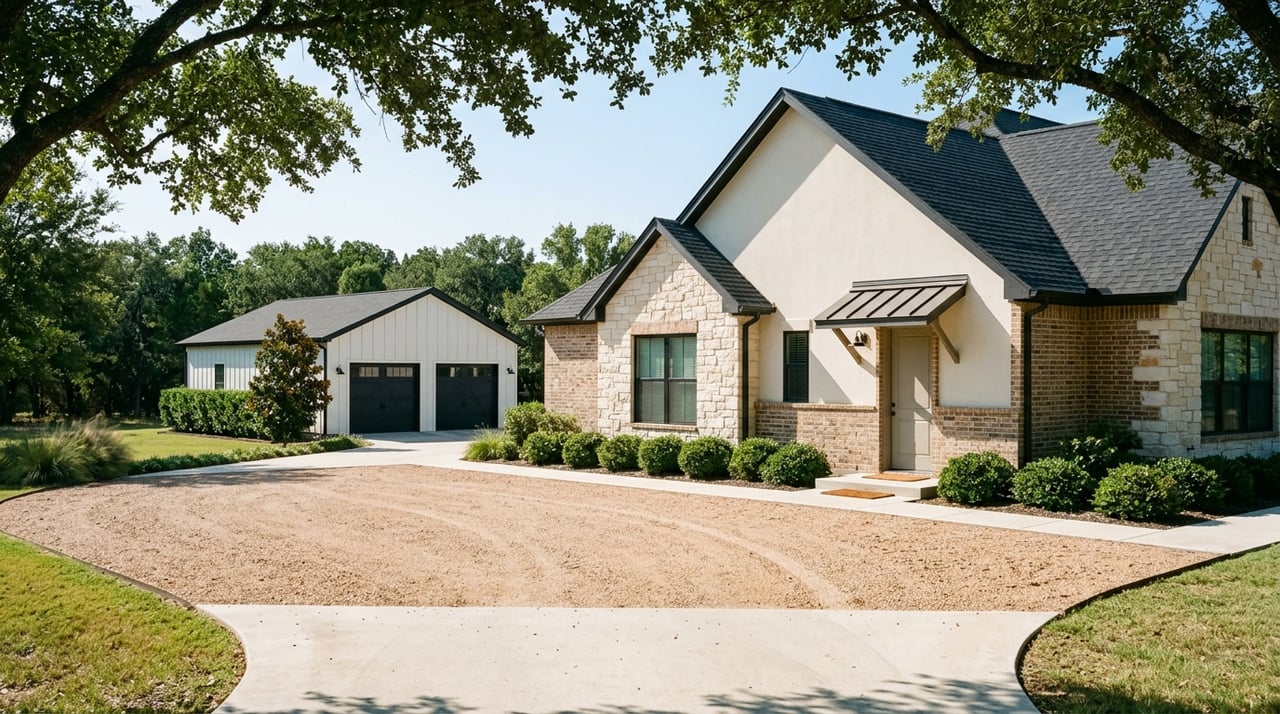
That matters because buyers are evaluating more than finishes and square footage. In Sienna Point, driveway access, tree cover, fencing, drainage, outbuildings, and the usability of the land can all shape how your property is perceived. The site itself is part of the value story.
Market conditions also support a more thoughtful approach. Fort Bend County’s 2026 market report notes that rural residential sale prices were down 6.66% year over year, while the broader Greater Houston market saw inventory rise to a record high and months of supply reach 5.5. In a more balanced market, careful pricing and clean presentation matter even more.
Start early with paperwork
Gather your key property records
If you are 12 to 18 months out from listing, start by collecting the documents buyers are likely to ask for. That includes your survey, plats, HOA documents, ARC approvals, repair invoices, and records for septic or well systems if applicable. If your property involves a private road, conservation easement, or water rights, pull those records now too.
This early step can save time later because Texas disclosures for sellers ask detailed questions about property conditions and special features. TREC’s current Seller’s Disclosure Notice addresses items such as private roads, insurance status, aboveground storage tanks over 500 gallons, and conservation easements. Texas also has a separate groundwater and surface water rights disclosure form effective July 1, 2026.
Verify boundaries and floodplain details
Before you spend money on improvements, confirm what you own and what affects the land. Fort Bend County offers public mapping tools and floodplain maps that can help you review parcel boundaries, floodplain layers, drainage features, easements, and district information. This can help you avoid investing in the wrong area or overlooking an issue buyers may notice later.
For acreage homes, clarity matters. A buyer may be very interested in a detached building, a rear portion of the lot, or a drainage channel near a fence line. Having those details sorted out before listing can make your marketing more accurate and your negotiations smoother.
Focus on the grounds first
Treat the land like living space
About three to six months before listing, shift your attention to the outside. On an acreage property, the grounds are often the first thing buyers experience, and they heavily influence the showing. A freshly cleaned site signals care and makes the property easier to understand.
Start with the basics:
- Mow all the way to the street
- Edge driveways and walkways
- Trim tree limbs
- Remove dead vegetation
- Clean up debris near culverts or drainage channels
- Tidy ditch and trail-easement areas
This is especially important in Sienna Point because the community guidelines require owners to maintain property to the street, including ditch and community trail easement areas. Fort Bend County’s drainage district also notes that it maintains channels where it has easements, which makes it worth identifying what is owner-maintained versus district-maintained.
Check fences, gates, and outbuildings
Before you pour money into cosmetic updates inside the home, inspect the site features that acreage buyers notice right away. Fences, gates, barns, workshops, and storage buildings should appear functional, orderly, and compliant. These elements can strengthen your value story, but only if they support the property rather than distract from it.
Sienna Point deed restrictions prohibit chain-link fences, and ARC rules place outbuildings, barns, and arenas behind the residence while requiring them to be screened from street and neighbor views. The guidelines also state that no arena is allowed on lots under 3.5 acres. That means you should market these features carefully and only describe them in ways that match what is permitted and documented.
Address systems buyers ask about
Organize septic and well records
If your home has a septic system or a private well, gather maintenance records well before the home goes live. Buyers of acreage homes often ask about these systems early, and having clean records makes your property easier to evaluate. It also helps reduce last-minute scrambling when an offer is on the table.
TCEQ provides homeowner guidance for onsite sewage facilities, and Texas sellers benefit from knowing the maintenance history of these systems. For private wells, the Texas Water Development Board says owners generally do not have to register a well unless the property is within a groundwater conservation district. Even if registration is not required, service records still help support buyer confidence.
Prepare answers on major components
Acreage buyers tend to ask practical questions first. They want to know the age and condition of the roof, HVAC systems, septic, and well if applicable. They also want to understand whether improvements were approved and whether fences, gates, or barns align with community rules.
A simple pre-listing summary can help. Keep a written list with dates, service history, and notes on major property features. When buyers get clear answers quickly, the sale process tends to feel more organized and less risky.
Declutter for function and flexibility
Make utility spaces easy to picture
Thirty to sixty days before listing, declutter every secondary structure and utility area. That includes garages, barns, workshops, storage rooms, and detached buildings. Buyers should be able to picture how they would use the space, not feel like they are walking through overflow storage.
This step matters because visual presentation influences buyer response. Research cited by the National Association of Realtors shows that many agents recommend decluttering and correcting faults when staging is not used, and about half reported that staging reduced market time. On acreage homes, clean and organized utility spaces can be just as important as a styled kitchen or living room.
Keep the interior calm and clean
Inside the home, focus on a simple goal: make the house feel spacious, bright, and easy to maintain. Remove extra furniture where needed, clear countertops, and store away personal or bulky items. In larger homes, too much furniture or storage overflow can make rooms feel less purposeful.
For premium properties, polished presentation supports stronger photography and better online appeal. Since many buyers will first encounter your home through photos and video, your prep should support that first impression.
Build a stronger media package
Time photos after cleanup
Professional photography should happen after the grounds are cleaned, the grass is freshly cut, and visible site features are in good shape. On an acreage listing, exterior imagery carries a lot of weight because buyers want to understand scale, layout, and usability. If the site is not ready, the listing may miss its chance to stand out.
Buyer response to visuals is strong. NAR reports that buyers’ agents rank photos, traditional staging, video tours, and virtual tours among the most important listing elements. NAR’s 2025 technology survey also notes that agents rely on drone photography as part of their toolkit.
Show the full property story
For a Sienna Point acreage home, a strong media package should do more than showcase interiors. It should help buyers see the house, the land, and the supporting improvements as one complete offering. That may include drone views, exterior and interior stills, video, and a floor plan or survey overlay when helpful.
This approach works well because it answers the buyer’s first question: how does the property actually live? On a larger parcel, that context can help your listing stand out from homes that show only the front elevation and a few interior highlights.
Price with acreage in mind
Value the land and improvements together
Pricing a Sienna Point home requires more than pulling nearby square-foot averages. HAR’s neighborhood profile shows large home and lot sizes, while local market data suggests acreage properties may not move in step with standard subdivision homes. Fort Bend County’s 2026 report notes that land values were up about 6% across school districts, even as rural residential sale prices declined year over year.
That is why pricing should reflect both the residence and the site. Usable acreage, tree cover, driveway access, drainage, detached structures, and overall condition can materially affect what buyers are willing to pay. Two homes with similar square footage may compete very differently if the land utility and site presentation are not the same.
Expect a narrower buyer pool
Acreage homes usually attract a more specific buyer than a typical suburban listing. That does not mean your home will not sell well. It means your pricing, condition, and marketing need to line up clearly from the start.
In a more balanced market, buyers often negotiate more carefully and compare options more closely. Accurate comps, realistic expectations, and a clean presentation can help you avoid sitting on the market longer than necessary.
Highlight features buyers care about
Lead with lifestyle and utility
The best marketing angle for a Sienna Point acreage home usually combines privacy, space, and function. Buyers may respond to features like usable acreage, a detached garage or workshop, guest space, storage buildings, and room for trailers or boats if allowed. If the property has animal-related improvements, those should be presented carefully and only when they are HOA-compliant and documented.
Because Sienna Point guidelines specifically address barns, arenas, and screened outbuildings, accuracy is essential. The goal is not to oversell. The goal is to show the property clearly and help the right buyer understand its strengths.
Create a buyer-ready listing packet
A strong listing packet can reduce friction during the sale. Include the information acreage buyers usually ask for first, such as:
- Age of roof and HVAC
- Septic and well records if applicable
- Survey and plats
- HOA documents and management information
- ARC approvals for improvements
- Notes on fences, gates, barns, or outbuildings
- Floodplain, drainage, or easement details if relevant
Texas HOA management certificates include key association details and transfer-related fee information, so having the latest HOA packet ready is a smart move. The more prepared you are, the easier it is for buyers to move forward with confidence.
Don’t overlook disclosures
Review required Texas forms early
Texas sellers should review disclosure requirements early, not just after accepting an offer. TREC’s Seller’s Disclosure Notice is required for previously occupied single-family residences, and the current version became effective May 28, 2026. For acreage homes, this matters because the form covers several issues that may be more likely to come up on larger parcels.
If your home was built before 1978, the lead-based paint addendum also applies. And if the property includes groundwater or surface water rights, the separate TREC disclosure form effective July 1, 2026 should be reviewed early as well.
Keep floodplain and drainage information handy
If your lot is in or near a floodplain, levee area, or drainage easement, verify the parcel status and keep the supporting maps in your listing file. Fort Bend County provides floodplain maps, drainage district maps, and interactive public mapping tools that can help clarify the property’s status. If a creek or channel with a drainage easement needs debris removal, the county drainage district advises contacting its maintenance division.
Having this information ready does not just help with compliance. It also shows buyers that you have taken the time to understand and maintain the property.
If you are thinking about selling in Sienna Point, the best results usually come from starting earlier than you think. Acreage homes need a plan that covers land condition, documentation, pricing, disclosures, and high-quality marketing. For guidance tailored to your property, connect with the Jennifer Ciulla Group for a local strategy and a clear next step.
FAQs
What makes preparing a Sienna Point home to sell different from a typical Fort Bend subdivision home?
- Sienna Point homes often sit on much larger lots, so buyers evaluate the land, drainage, outbuildings, fencing, and usability of the site along with the house itself.
What documents should you gather before listing an acreage home in Sienna Point?
- Start with your survey, plats, HOA documents, ARC approvals, repair invoices, septic or well records if applicable, and any paperwork related to private roads, easements, or water rights.
What outdoor areas should you clean up before listing a Sienna Point acreage property?
- Focus on mowing to the street, trimming trees, edging driveways, clearing debris around culverts or drainage channels, and tidying ditch and trail-easement areas.
What Sienna Point property features should you verify before marketing to buyers?
- Check fences, gates, barns, workshops, storage buildings, and any other improvements to make sure they are functional, properly placed, and consistent with HOA and ARC rules.
What disclosures matter most when selling an acreage home in Texas?
- Texas sellers should review the current Seller’s Disclosure Notice early, and they may also need lead-based paint or water-rights disclosures depending on the age and features of the property.
How should you price a Sienna Point acreage home for today’s market?
- Price it as a package of land and improvements, using accurate local comps and factoring in site utility, drainage, outbuildings, and the more balanced market conditions affecting rural residential properties.